5 Powerful
Anti-Inflammatory Herbs to Add to Your Diet Today
Combat chronic inflammation with these easy-to-incorporate herbs that promote healing and overall health. Discover how these natural remedies can transform your meals and boost your well-being!
Understand how to manage inflammation through diet to protect against chronic disease. While our immune system uses inflammation to heal, a processed food-driven lifestyle can lead to harmful, long-term health issues. Using anti-inflammatory herbs is a proven holistic nutrition strategy to soothe gastrointestinal ailments like IBS and support your body’s natural healing process. Along with omega-3 fatty acids and antioxidant-rich plant foods, these five powerful herbs are essential tools for anyone looking to reduce inflammation and improve well-being.
Understand how to manage inflammation through diet to protect against chronic disease. While our immune system uses inflammation to heal, a processed food-driven lifestyle can lead to harmful, long-term health issues. Using anti-inflammatory herbs is a proven holistic nutrition strategy to soothe gastrointestinal ailments like IBS and support your body’s natural healing process. Along with omega-3 fatty acids and antioxidant-rich plant foods, these five powerful herbs are essential tools for anyone looking to reduce inflammation and improve well-being.
Tumeric
Turmeric contains a compound called curcumin, which gives the spice its bright yellow color and is renowned for its anti-inflammatory properties. Used in traditional Chinese and Ayurvedic medicine for over 2,000 years, turmeric is supported by research showing its ability to reduce joint stiffness and muscle soreness.2 Not only does it help maintain a healthy inflammatory response throughout the body, but it’s also best absorbed when paired with black pepper, enhancing its benefits.
Recipe: Golden Turmeric Milk
Combine 1 cup of almond or coconut milk with 1 teaspoon of turmeric, a pinch of black pepper, and honey or maple syrup to taste. Heat and enjoy as a soothing drink. If you have a frother, froth this cozy drink to perfection!


Ginger
Ginger is known for its digestive benefits, thanks to a natural compound called gingerol. It aids in efficient food breakdown and helps prevent food from sitting too long in the gut, reducing the risk of inflammation.3 Ginger is also effective for nausea relief and gastrointestinal symptoms.3
Recipe: Fresh Ginger Tea
For a soothing, digestion-supporting tea, simply peel and slice 1-2 inches of fresh ginger and simmer in 2 cups of water for 10-15 minutes. Strain, then add a splash of lemon juice and a drizzle of raw honey or organic maple syrup if desired. Sip this warming tea to calm inflammation and enjoy its immune-boosting properties.
Recipe: Ginger-Infused Lemonade Blend
Fresh ginger with water, lemon juice, and a sweetener of your choice (ideally raw honey or organic maple syrup) for a refreshing drink that soothes and invigorates.

Rosemary
Rosemary is packed with rosmarinic acid and carnosic acid, both of which have impressive anti-inflammatory and immune-supporting benefits. The compounds reduce swelling, edema, and key inflammatory markers, while also modulating the immune system and fighting off harmful pathogens.4 Additionally, rosemary has been shown to alleviate pain and discomfort in the body, making it a potent natural remedy for inflammation and overall health.4 Research also highlights rosemary’s potential for enhancing memory, reducing anxiety, and supporting nervous system health, making it a versatile herb for promoting overall well-being.5
Recipe: Rosemary Roasted Vegetables
Toss your favorite vegetables in avocado oil, salt, pepper, and fresh rosemary, then roast until tender for a delicious side dish that packs a health punch.
Garlic
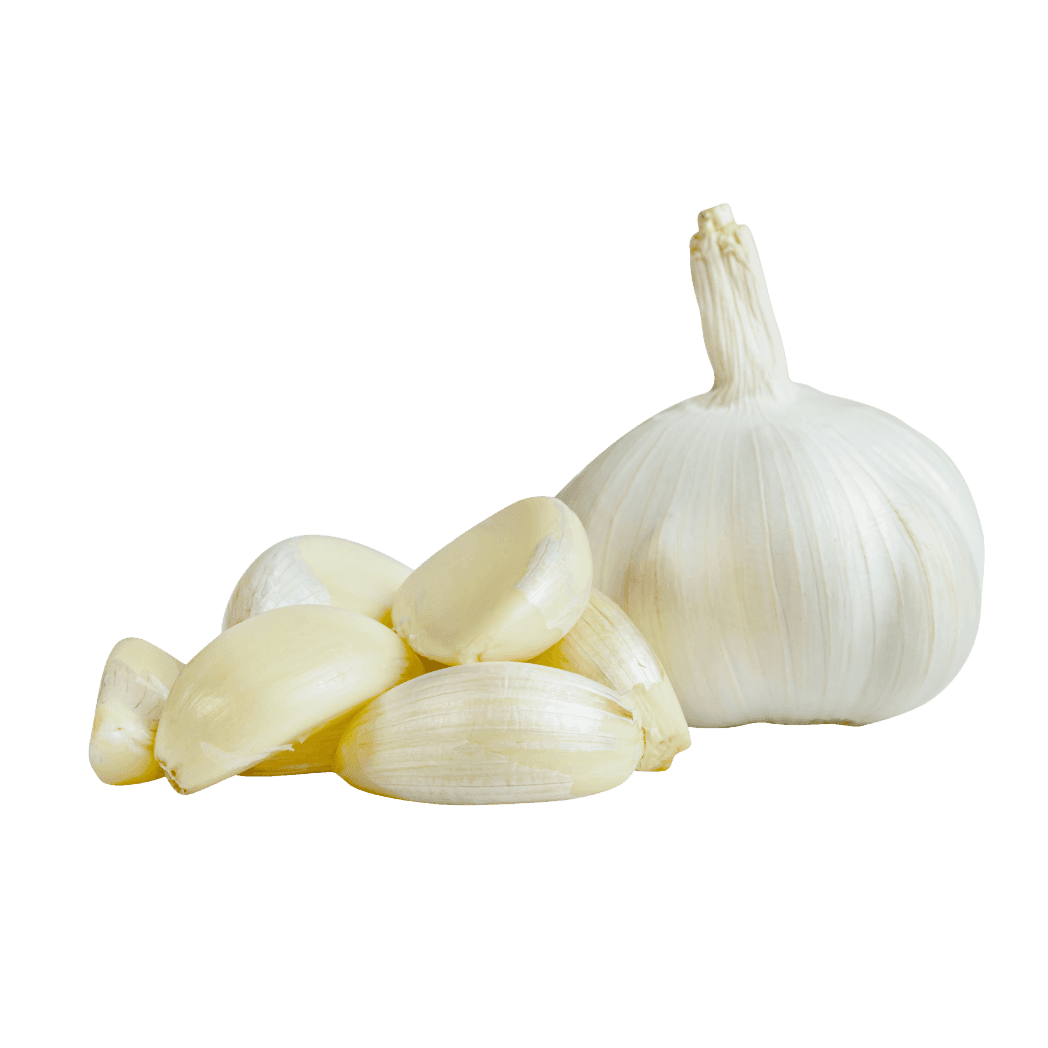
Garlic is a powerhouse herb known for its numerous health benefits, including its anti-inflammatory properties. One of its key ingredients, allicin, is known for boosting your immune system, helping your body better defend itself against illness.6 By regularly adding garlic to your meals, you can support your overall health and stay strong against sickness.
Recipe: Garlic Herb Dressing
Blend garlic with olive oil, lemon juice, and your favorite herbs for a zesty salad dressing.

5. Cinnamon
(Honorable Mention)
Though technically a spice, cinnamon deserves recognition for its anti-inflammatory properties. It is high in antioxidants—compounds that help protect your cells from damage— and can significantly increase activity of antioxidant enzymes in the body.7 Additionally, cinnamon helps stabilize blood glucose levels, reducing inflammation linked to metabolic issues.8 By incorporating cinnamon into your meals, you can help avoid undesirable glucose spikes that come along with inflammation and stress in the body.
Recipe: Cinnamon & Berries Oatmeal
Prepare a bowl of oatmeal and stir in 1 teaspoon of cinnamon along with your favorite protein powder. Top it with fresh fruit—berries are a great source of antioxidants—and nuts or nut butter for a warming, satisfying breakfast. For an extra boost of nutrients, consider adding hemp seeds, chia seeds, or flax seeds to enhance the fiber and healthy fats in your meal.
1. Turmeric
Turmeric contains a compound called curcumin, which gives the spice its bright yellow color and is renowned for its anti-inflammatory properties. Used in traditional Chinese and Ayurvedic medicine for over 2,000 years, turmeric is supported by research showing its ability to reduce joint stiffness and muscle soreness.2 Not only does it help maintain a healthy inflammatory response throughout the body, but it’s also best absorbed when paired with black pepper, enhancing its benefits.
Recipe: Golden Turmeric Milk
Combine 1 cup of almond or coconut milk with 1 teaspoon of turmeric, a pinch of black pepper, and honey or maple syrup to taste. Heat and enjoy as a soothing drink. If you have a frother, froth this cozy drink to perfection!
2. Ginger
Ginger is known for its digestive benefits, thanks to a natural compound called gingerol. It aids in efficient food breakdown and helps prevent food from sitting too long in the gut, reducing the risk of inflammation.3 Ginger is also effective for nausea relief and gastrointestinal symptoms.3
Recipe: Fresh Ginger Tea
For a soothing, digestion-supporting tea, simply peel and slice 1-2 inches of fresh ginger and simmer in 2 cups of water for 10-15 minutes. Strain, then add a splash of lemon juice and a drizzle of raw honey or organic maple syrup if desired. Sip this warming tea to calm inflammation and enjoy its immune-boosting properties.
Recipe: Ginger-Infused Lemonade
Blend fresh ginger with water, lemon juice, and a sweetener of your choice (ideally raw honey or organic maple syrup) for a refreshing drink that soothes and invigorates.
3. Rosemary
Rosemary is packed with rosmarinic acid and carnosic acid, both of which have impressive anti-inflammatory and immune-supporting benefits. The compounds reduce swelling, edema, and key inflammatory markers, while also modulating the immune system and fighting off harmful pathogens.4 Additionally, rosemary has been shown to alleviate pain and discomfort in the body, making it a potent natural remedy for inflammation and overall health.4 Research also highlights rosemary’s potential for enhancing memory, reducing anxiety, and supporting nervous system health, making it a versatile herb for promoting overall well-being.5
Recipe: Rosemary Roasted Vegetables
Toss your favorite vegetables in avocado oil, salt, pepper, and fresh rosemary, then roast until tender for a delicious side dish that packs a health punch.
4. Garlic
Garlic is a powerhouse herb known for its numerous health benefits, including its anti-inflammatory properties. One of its key ingredients, allicin, is known for boosting your immune system, helping your body better defend itself against illness.6 By regularly adding garlic to your meals, you can support your overall health and stay strong against sickness.
Recipe: Garlic Herb Dressing
Blend garlic with olive oil, lemon juice, and your favorite herbs for a zesty salad dressing.
5. Cinnamon (Honorable Mention)
Though technically a spice, cinnamon deserves recognition for its anti-inflammatory properties. It is high in antioxidants—compounds that help protect your cells from damage— and can significantly increase activity of antioxidant enzymes in the body.7 Additionally, cinnamon helps stabilize blood glucose levels, reducing inflammation linked to metabolic issues.8 By incorporating cinnamon into your meals, you can help avoid undesirable glucose spikes that come along with inflammation and stress in the body.
Recipe: Cinnamon & Berries Oatmeal
Prepare a bowl of oatmeal and stir in 1 teaspoon of cinnamon along with your favorite protein powder. Top it with fresh fruit—berries are a great source of antioxidants—and nuts or nut butter for a warming, satisfying breakfast. For an extra boost of nutrients, consider adding hemp seeds, chia seeds, or flax seeds to enhance the fiber and healthy fats in your meal.